
Be at home in yourself. Be free in the world.

Author: Mark Smith

  • Thinking Is the Playground That Forges Reality

    Thinking Is the Playground That Forges Reality

    “How are things?”

    It is such a small sentence.

    Four words. Casual. Harmless.

    And yet, if taken exactly as written, it is an impossible task.

    Things?

    Which things?

    All things?

    Because if we are speaking precisely, “things” would include everything that exists — from my current headache to the structural integrity of distant galaxies. From the mood in my kitchen to the entropy of the universe.

    At this point the brain begins to overheat.

    Why are there things at all?

    Are “things” real, or merely categories imposed by the human mind so that reality can be handled in manageable portions?

    How would one even begin to assess the state of all things?

    And how could I possibly compress the totality of existence into a short, proportionate reply?

    This is the danger — or perhaps the fun — of reading words exactly as they are written.

    Of course, I know the question is not asking for a metaphysical audit of the cosmos.

    It is social shorthand.

    It means:

    Give me a small window.

    Signal your state.

    Keep it light.

    Let us remain connected.

    I understand this.

    And yet, it is endlessly entertaining to allow the mind to wander through the literal interpretation first.

    So I could, if I wished, reply with a detailed report on my health, the emotional climate of the household, the economic outlook, the weather systems currently battering the coast, and a brief reflection on the fragility of civilisation.

    Instead, I will compress the universe into something socially acceptable.

    And the only part of this entire internal exploration that will ever be sent is this:

    Not bad, headache though. Weather is horrible. How’s you?

    And that is how reality is forged — not just by what we think, but by what we choose to transmit.
  • The cove of tears and moonlight

    The cove of tears and moonlight

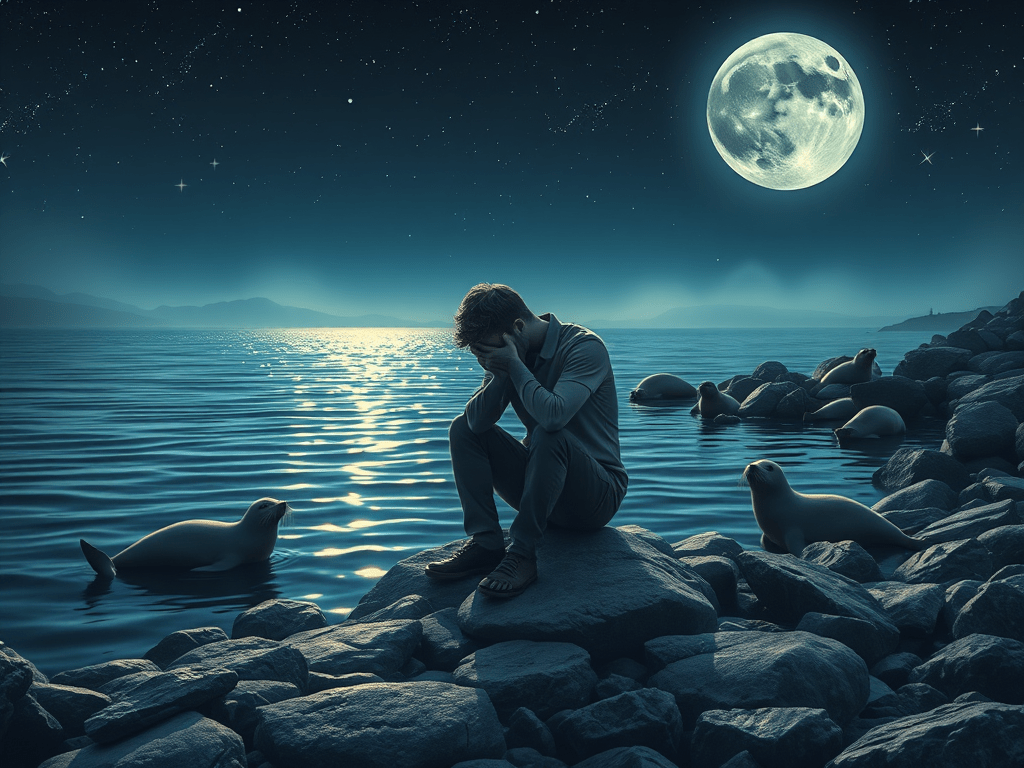
    He sat at the cove in the dark, the waning beaver moon bright in the sky in front of him. The moonbeams lighting up the sea, extenuating the ripples on the surprisingly calm surface of the sea. The other nice thing about the evening was the temperature, he sat in just a jumper, no hat, not a cold finger to be felt. The plough and many other stars were out to greet him, yet he was far from lifted by the scene. The loss was sinking in now, his love was not there to appreciate the scene with him, to share their day, to hold him close and dream of teleporters or magic cloaks. To see the planets and the shooting stars, to allow the universe to feel the love vibrating from their hearts and smile down on them. He sobbed, in a place enveloped by the dark night to hide the tears and the soft sound of the sea to cover his moans. 

    Of course it was no surprise to the wise old moon, planets and stars as they had seen it all before, love is always lost in the end, through changing times, circumstances or death.

    The seals were more concerned however, their playful swimming friend so upset and defeated.

    “Will he be ok? Will he swim joyfully with us once more, doing his silly tricks under the water and scaring the crabs into their funky claw dances? We don’t like him like this, such a tender soul.” The seals asked the moon.

    “He only has one weakness, his open loving heart. He knows this, yet loves fully and without fear anyway.” Replied the moon.

    “We know his heart and his spirit but we also feel his pain. Will he be ok or has the wound penetrated too deeply?” The seals asked, their eyes moist and glistening in the moonlight as they looked towards their human friend, head in hands, shoulders tense, tears falling through his fingers.

    “He knew this day would come. He knew it was necessary in the grand scheme of things. You can’t hold on to perfect moments, good times are always tainted by longing for more and the knowing that they rise and fall. Perhaps this is a good lesson in non-attachment that will serve him well through life.” Said Mars.

    “There is an old saying that I will remember well.” Said the man, straightening his spine and wiping his eyes dry. “It is better to have loved and lost than to never have loved at all.” 

    Mars smiled at its core, the seals relaxed, the moonbeams felt warmer and more magical. The plough and the stars twinkled that little bit brighter. The soft sound of the waves sounded more rhythmic and soothing and the hard rock on which he sat felt more grounded and comfortable.

    “I have great memories and have had experiences beyond my wildest imaginations. My limits have been tested and I have grown. I shed the darkness with my tears, I release the pain and longing from my heart, and I hold only the light for her. She knows what’s best and always has done. What can not be, can not be, and for me to fight or continue to battle the inevitable would just bring her pain and anxiety at a time where she needs comfort and foundation. I’ll write her a story to show that I care and then after a time of healing has passed perhaps we can exchange stories like penpals of olden times.”

    He got up and stretched, eyes feeling puffy. Glad for the company of his sea, solar and universal friends. 

    “I will swim with you tomorrow seals, a double somersault and a spin and a crab dance, maybe even a glimpse of the Buddha head.” He walked home in the darkness, along the sand, away from the bright lights of the prom. No way he would let people see that he had been crying. He looked up at the moon and said with his mind, “All I ask is that you help her to remember me fondly, the good times, the good feelings and vibes, the laughter and the joy. Let the her forget the rest, no one is perfect, especially me.”

    The moon did not respond, each persons memories are their own and how and what they choose to remember is for them to decide.

    Once the story was written and sent, the chapter of the Dragons closed. Yet I’m sure the symbolism will live forever, for mythic level loving is not something that happens often.

  • What Happens When We’re Bored

    What Happens When We’re Bored

    Good morning. Or rather—good awakening.

    You’re probably reading this on your phone. That’s okay. So am I, as I write it.

    I’m not judging. But I’m curious—truly, deeply curious. What is it that draws you to that small black box with shiny lights?

    Let’s say that you’ve deleted the obvious – social media. So what now? What keeps pulling you in?

    I ask because I’ve seen it again and again: someone opens their phone looking for connection, or inspiration, or simply to pass a moment—and they find themselves trapped, dopamine drip by dopamine drip, in the very thing they thought they were escaping.

    You know it. I know it. We all do. It doesn’t make us bad. It makes us human. But here’s the paradox:

    When do I get most creative?

    When do the stories flow and ideas come?

    When I’m bored.

    Our nervous systems are designed to wander, to gaze out a window, to sit with silence and feel the soul emerge. But when every free moment is filled with someone else’s ideas, what room is left for our own?

    Phones can be tools. But the line between tool and trap is thinner than we think. And most of us crossed it long ago.

    The Cage With a Shiny Door

    In one of the early phases of the human experiment, rats were placed in a cage and trained to press a lever. Each press gave a small dose of dopamine—a sugar cube, a flash of light, a chemical hit.

    Fast forward to now. We’ve simply replaced the lever with a touchscreen.

    But here’s what’s different: the phone is not one addiction. It’s many. It’s a hydra of micro-hooks:

    • The need to be informed

    • The desire to be seen

    • The impulse to escape boredom

    • The craving for control or comfort

    These hooks override a subtle truth: that we need boredom. Boredom is sacred. It’s a doorway to dreamtime, vision, myth, real creativity. When we silence the outer world, the inner one can speak.

    So this isn’t a call to drop all technology. Quite the opposite.

    It’s a call to reclaim it—as a tool of awakening, not enslavement.

    You are not a rat. You are a sovereign being with a nervous system designed for wonder.

    And sometimes, the best thing you can do… is nothing at all.

  • Can Eating the Same Foods Every Day Affect Our Mood?

    Can Eating the Same Foods Every Day Affect Our Mood?

    I found myself pondering something the other day:

    Could eating the same foods, day in and day out, contribute to feeling low or even depressed?

    At first glance, it might seem trivial—especially if the foods are “healthy.” But I wonder if there’s something deeper at play. Not just nutritionally, but symbolically. Something the body is subtly telling us: “You’re stuck. You’re not moving. You’re living on habit alone.”

    As someone attuned to both internal states and lived patterns, I’ve noticed that when my meals become repetitive, I start to feel a kind of inner dullness—not necessarily hunger, but a lack of colour, rhythm, spark. Could it be that dietary monotony mirrors a deeper stagnation?


    1. The Body’s Nutritional Craving for Variety

    On a physiological level, there’s good reason to think variety matters. Even if we’re eating nourishing foods, repeating the same meals can lead to nutritional gaps over time. The body thrives on diversity:

    Micronutrients: Different foods bring different minerals, vitamins, and amino acids. Lack of variety can slowly deplete reserves, especially of trace nutrients like zinc, selenium, and B vitamins—all of which are linked to mood regulation.

    Gut Microbiome: A diverse diet supports a diverse microbiota, which plays a vital role in mental health through the gut-brain axis. In other words, your microbes might get bored too.


    2. The Subtle Psychology of Sameness

    But there’s more than biology here. There’s a quiet psychology—and maybe even a subtle energy—to it.

    Eating the same thing every day might be read by the psyche as:

    “Nothing new is coming. You are on autopilot.”

    And that message might quietly reinforce a sense of stuckness, lifelessness, or simply disconnection from the joy of experience.

    There’s a fine line between ritual and rut.

    • A daily bowl of porridge, made with care and intention, can be grounding.

    • The same bowl, made out of habit and eaten without presence, can feel like eating out of a grey loop.

    The food may not have changed. But the inner world around it has.


    3. A Doorway Back to Aliveness

    This isn’t a call to throw out everything familiar. It’s an invitation to play again.

    Maybe add a splash of colour to the plate. Try a new herb. Cook with your non-dominant hand. Visit a different shop. Even small culinary shifts can reflect—and initiate—a larger inner movement.

    Sometimes, food is not just fuel. It’s feedback. It’s story. It’s a mirror.


    Final Thought: A Question Worth Exploring Further

    This musing might one day grow into a formal research topic—perhaps even a dissertation. For now, it lives as a quiet inquiry:

    What if how we eat, not just what we eat, shapes our state of mind?

    And what if variety isn’t just nutritional—

    but existential?

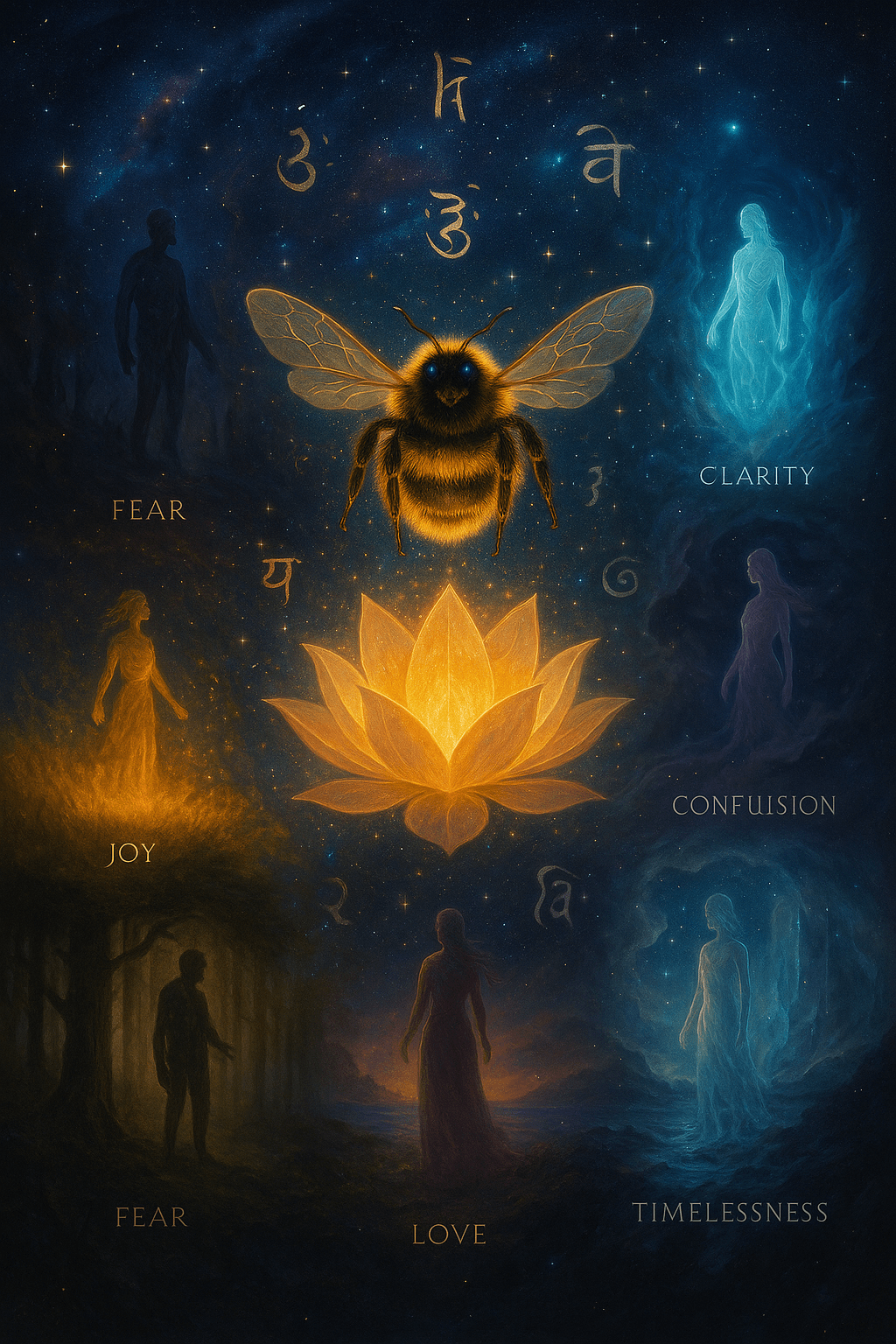
  • The Connection Bumblebee (A Sanskrit Poem – Refined Seven-State Version)

    The Connection Bumblebee (A Sanskrit Poem – Refined Seven-State Version)

    The Connection Bumblebee 

    सम्पर्कभृङ्गः

    The Connection Bumblebee

    (A Sanskrit Poem – Refined Seven-State Version)

    १. मूलस्मरणम् – The Core Realization

    शिक्षार्थजीवः कम्पनशीलः।

    अविज्ञातेन स्थितेः स्थितिं चरति।

    A learning being, unstable in nature,

    Wanders unknowingly from state to state.

    मूलस्थे सर्वं अस्ति।

    न किञ्चिदस्ति या त्वयि नास्ति।

    At your core, all is present.

    There is nothing you do not already hold.

    यः यः बहिर्वस्तुषु स्पर्शः सम्पद्यते,

    सः सः अवस्था-प्रबोधनं कर्तुं शक्नोति।

    क्षणिकः शिक्षकः इव।

    परं, अन्ते, त्वं एक एव।

    त्वं आत्मनिर्भरः। त्वं एकत्वं।

    Each touch with the outer world

    May awaken a state—as a fleeting teacher.

    But in the end, you rely on none.

    You are one. You are whole.

    २. अवस्थावृत्तिः – The Current of States

    **त्वं मां परिहासेन हसयसि।

    You make me laugh in mockery.

    त्वं मां भयेन योजयसि।

    You bind me in fear.

    त्वं मां असम्बद्धं करोति।

    You make me feel disconnected.

    त्वं मां स्थिरं सुरक्षितं च करोति।

    You make me feel stable and safe.

    त्वं मम प्रकाशम् अनुभवयसि।

    You make me feel enlightened.

    त्वं मम प्रेम अनुभवयसि।

    You make me feel love.

    त्वं मम कालातीतत्वं अनुभवयसि।

    You make me feel timeless.

    ३. पुनर्मूलं – Return to the Core

    त्वमेव संकुचितः। त्वमेव बृंहितः।

    त्वमेव तमः। त्वमेव प्रकाशः।

    सर्वं संपर्के प्रतिबिम्बितम्।

    यत् त्वं गृह्णासि, तत् त्वं भवसि।

    You are the contraction. You are the expansion.

    You are the shadow. You are the light.

    All is reflected through connection.

    When learning, what you take in—you become.

    विचारय—

    के संपर्काः त्वां उन्नयनं प्रति नेतुम् अर्हन्ति?

    के त्वाम् अधस्तात् आकर्षन्ति?

    कस्य समीपे त्वं जीवन्तुम् इच्छसि?

    कां अवस्थां त्वं नित्यं धारयितुम् इच्छसि?

    कति क्षणानि त्वं दिवसस्य पतिः अपि न सन्, पतसि?

    Reflect—

    Which connections are worthy to lift you?

    Which ones draw you downward?

    Beside whom do you truly wish to live?

    Which state do you truly wish to embody, always?

    And how many moments each day do you fall—

    Not even by your own will, but by the pull of your screen?

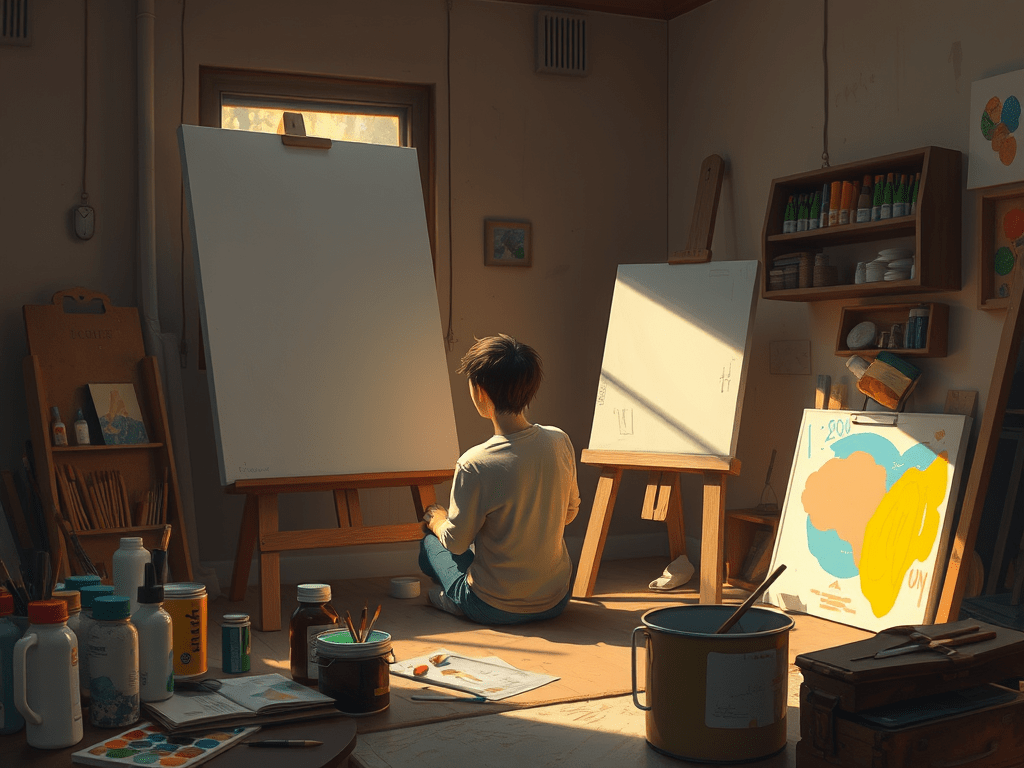
  • Micro Story: The Power of Thoughts: Rehearsing Your Reality

    Micro Story: The Power of Thoughts: Rehearsing Your Reality

    “The Thought That Tilted a Life”

    He was halfway through a game when the line flickered on-screen.

    Not part of the game.

    Not part of anything.

    Just five words—white text, black background:

    “Every thought is a blueprint.”

    He blinked. Tried to reload. Nothing happened. The message was gone.

    But it stayed in his mind.

    The next day, he noticed what played in his head between tasks:

    Shooting. Chasing. Yelling. Losing. Winning. Revenge.

    He noticed how tight his shoulders were.

    How shallow his breath had become.

    How nothing felt worth doing unless it came with a dopamine spike.

    Then came the harder part—silence.

    The silence was loud at first.

    But within it, he found a question:

    “What world am I rehearsing?”

    He never did finish that game.

    He started painting again instead.

    No one told him to.

    He just remembered that he used to imagine things that made life beautiful.

    Not chaotic.

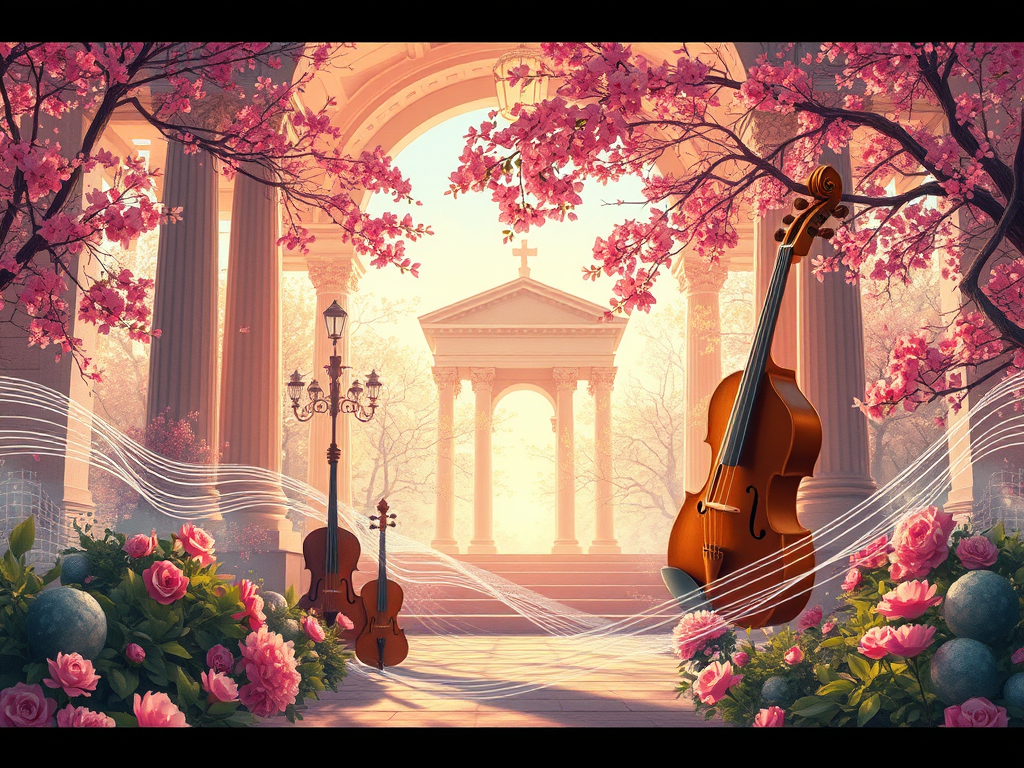
  • Vivaldi Spring – Reimagined

    Vivaldi Spring – Reimagined

    A trance-tempo reinterpretation of Vivaldi’s “Spring”, combining Baroque structure with rhythmic electronic layering. I am creating this as a meditative release and to tune ones spirit with Joy without burnout. Merging old forms with new breath.

    This is a work in progress, I need help with it. If you have experience with this kind of project please get in touch.

    This is one of the projects where my computer is inadequate. If you can… please help me out by donating on my Ko Fi page Your support would change my world and help me to reach out to the people who need me most. 🙂

  • Micro Story: The Whispering Seeds of Imagination

    Micro Story: The Whispering Seeds of Imagination

    He didn’t arrive with thunder.

    He arrived with a whisper.

    No name, no title.

    Just a hooded figure in a beige robe,

    a crow on his shoulder,

    and a single line carved into the wall of a forgotten library:

    “Let all that I imagine be worthy of becoming real.”

    Children found it first.

    They copied it into notebooks.

    It passed from pen to palm, from breath to thought,

    until someone somewhere stopped mid-scroll

    and looked up

    —really looked up—

    for the first time in years.

    They never knew who left the line.

    Some said it was an old monk.

    Others, a rogue programmer.

    A few swore it was a ghost from before the Algorithm Age.

    But those who understood

    didn’t care where it came from.

    They only cared what it awoke.

    They began placing seeds.

    Not trees, but thoughts.

    Not slogans, but truths.

    They called themselves Windwalkers—not to be known,

    but to remember.

    They moved without spectacle.

    They spoke only when it mattered.

    They made no noise—but the silence around them

    rippled with potential.

    And somewhere deep beneath the noise,

    the world began to stir.

    If you’ve read this far, perhaps the wind has already found you.

    Carry the next seed well.

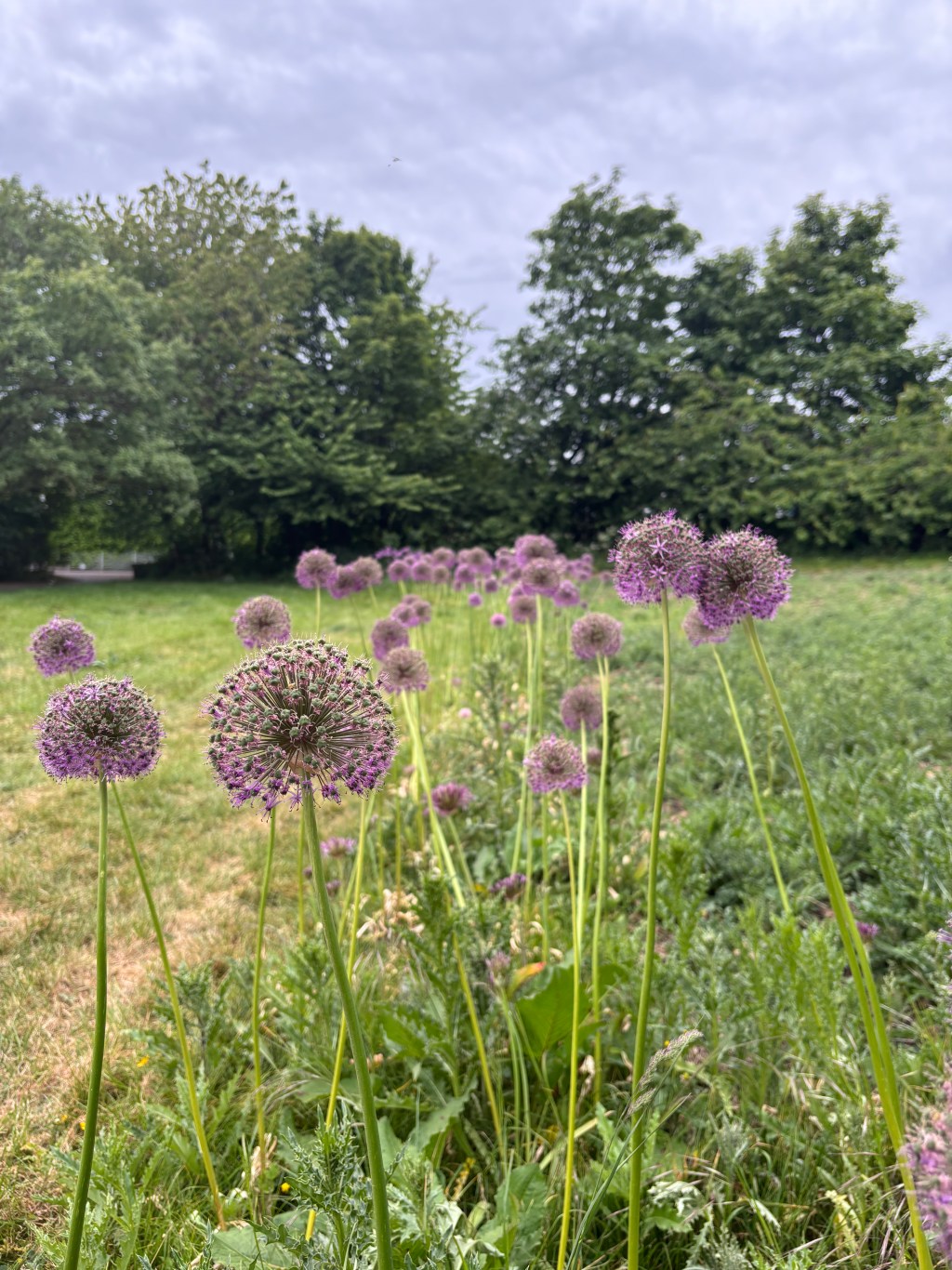
  • A line of perfect yet imperfect Spheres

    A line of perfect yet imperfect Spheres

    Sometimes a uniform line of imperfect spheres in a random location is all one needs to remember that everything is wonderful.

  • Strength in stillness. Fire in flow.

    Strength in stillness. Fire in flow.

    This space begins with a simple truth: lasting change starts within—but it doesn’t end there.

    I’ve spent years exploring the inner workings of the mind, and how they shape our experience of health, emotion, and meaning. Along the way, I’ve blended movement, nutrition, meditation, and psychology into something that’s become more than just a practice—it’s a way back into ourselves, and out into the world with clarity.

    Whether you’re here for insight, recovery, structure, or just a breath of space—you’re welcome.

    Let’s begin.

    #InsideToOutside #InsightOut #MentalHealth #YogaTherapy #NutritionalPsychology #Resilience #MovementMedicine